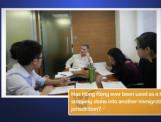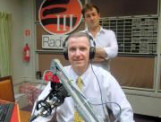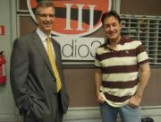



Finally the HKID Shed Some Light on What Constitutes ‘Talent’ in a QMAS Application (3 Case Studies’ Video)
Posted by The Visa Geeza / in Musing, Special Programmes / 5 responses
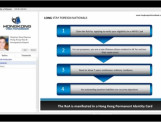
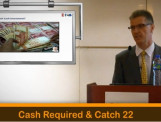
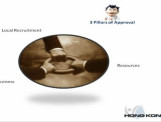
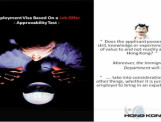
Either the Hong Kong Immigration Department are ‘on the sell’ or word has finally gotten back to them that its time to let prospective applicants under the Quality Migrant Admission Scheme know something of the calibre and credentials of people who pass muster and are successful in securing a QMAS visa.
As you may know, I am uber-critical of the way this programme is structured and administered but, credit where credit is due, this type of information is actually very helpful and the Department should be commended for the effort.
The Official video can be down-loaded from the Immigration Department website here.
More Stuff On QMAS You May Find Useful
Why I hate the Quality Migrant Admission Scheme (and you should too!)
Is the Hong Kong QMAS programme just too competitive to be realistic?
How important are employment testimonials in a Hong Kong QMAS visa application?
Is there such a thing as an Occupations-in-Demand list under the QMAS programme?
Will I get my first QMAS visa extension if I have not yet taken up residence in the HKSAR?
Please select the social network you want to share this page with:


The Hong Kong Visa Geeza (a.k.a Stephen Barnes) is a co-founder of the Hong Kong Visa Centre and author of the Hong Kong Visa Handbook. A law graduate of the London School of Economics, Stephen has been practicing Hong Kong immigration since 1993 and is widely acknowledged as the leading authority on business immigration matters here for the last 24 years.