


Hong Kong Visas for Startups, Entrepreneurs & SMEs – Stuff That Counts – With Dragon Law @ Cyberport – Top Notch Talent (QMAS) Visa
Posted by The Visa Geeza / in Musing, Special Programmes / 4 responses
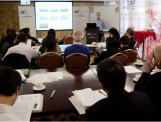
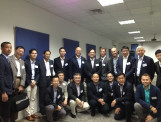
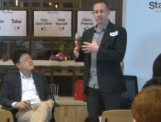
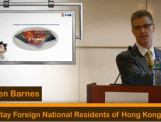
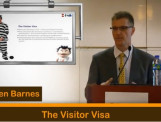
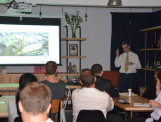
On April 28, 2016 Dragon Law, the Hong Kong Visa Centre and Cyberport co-hosted a seminar entitled Hong Kong Visas for Startups, Entrepreneurs & SMEs – Stuff That Counts
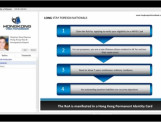
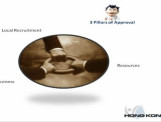
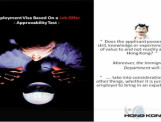
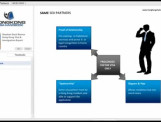
This segment discusses the Top Notch Talent visa -more commonly known as the Quality Migrant Admission Scheme or QMAS.
You can download the Presentation slides here.
The Rest of the Series
Starting Out
Visas Allowing Work
The Employment Visa
Entrepreneur Or ‘Startup’ Visa
The Study-then-Work Visa
The Work Visa For Mainlanders
The Training & ‘Intern’ Visa
The Working Holiday Visa
The Top Notch Talent Visa
Visas For Loved Ones
Resources, Resources, Resources
More Stuff You May Find Useful or Interesting
Dragon Law – Legal Services Powered by Technology
Cyberport – Supporting Technology Entrepreneurs
2015 Hong Kong Immigration Policy Update – Extra QMAS Points for the Brightest of the Bright
Which is Better – Change of Hong Kong Employment Visa Sponsorship or Seeking to Swap Over to a QMAS Visa Instead?
So, What ARE Your Chances of Successfully Securing a QMAS Visa for Hong Kong?
Please select the social network you want to share this page with:


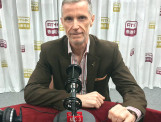
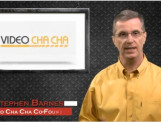
The Hong Kong Visa Geeza (a.k.a Stephen Barnes) is a co-founder of the Hong Kong Visa Centre and author of the Hong Kong Visa Handbook. A law graduate of the London School of Economics, Stephen has been practicing Hong Kong immigration since 1993 and is widely acknowledged as the leading authority on business immigration matters here for the last 24 years.