


Interview: What’s Actually Involved in Getting a Hong Kong Investment Visa Approved?
Posted by The Visa Geeza / in Investment Visas, Musing / 3 responses
PRACTICE UPDATE: How the content must now be read in light of current ImmD policy:
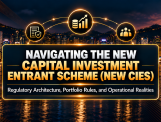
Historically, this interview feature laid bare the practical, real-world mechanics of getting an Investment as Entrepreneur visa approved under the General Employment Policy (GEP). The Geeza walked an interviewer through the anatomy of an application, demystifying the official statutory standard of “substantial contribution to the economy of the HKSAR” and breaking down what case officers actually looked for behind the scenes. In that era, the answer to “what’s actually involved” was grounded in human discretion, narrative advocacy, and commercial common sense: ImmD case officers were portrayed as practical civil servants evaluating genuine commercial intent, professional pedigree, and realistic viability. An articulate applicant was coached to present a coherent narrative, back the venture with modest seed capital of a few hundred thousand dollars, lease a cost-effective serviced office or reputable co-working suite, and present a business plan demonstrating phased milestones with local hiring scheduled over a two- to three-year horizon.
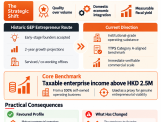
The game has changed from a manageable exercise in advocacy, credibility, and commercial storytelling into an unforgiving, empirical compliance audit. Today, what is “actually involved” in getting approved outside the state incubator track has zero tolerance for qualitative arguments or forward-looking projections. Under post-April 2026 administrative practice aligned with TTPS Category A operational substance (~HKD 2.5M enterprise scale), ImmD has completely excised discretionary leniency from independent entrepreneur filings. The subjective question of whether an applicant makes a compelling personal case has been supplanted by an unyielding requirement for verified, day-one corporate hardware: HKD 1.5M–2.0M in deployed corporate bank liquidity sitting in a local bank account, an executed commercial lease for exclusive physical premises (“four walls”) that strictly disqualifies serviced offices, virtual addresses, and co-working spaces entirely, and active Mandatory Provident Fund (MPF) payroll contributions for 2–3 local Hong Kong permanent residents.
Consequently, the entire playbook outlined in that historical interview is completely obsolete for independent founders. What is “actually involved” today is navigating a rigid institutional bifurcation: either a venture arrives with enterprise-grade balance sheets and day-one physical and headcount infrastructure, or it must secure formal, documented admission into an officially accredited government incubator (such as Cyberport, HKSTP, or the Design Incubation Programme). Because incubator accreditation is the sole surviving statutory mechanism recognized by ImmD to waive the crushing hardware mandates of upfront liquidity, dedicated commercial leases, and immediate MPF headcount, any early-stage entrepreneur attempting to follow the interview’s historical, bootstrapped advice will face swift and summary refusal.
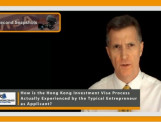
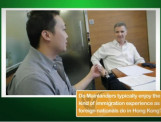
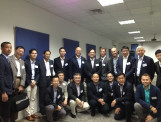
On June 6th, 2013 I was interviewed by five law students from the Chinese University of Hong Kong about my experiences practicing immigration here over the last 20 years.
We covered a great deal of ground in the 90 minutes we spent together and over the next few weeks I will be posting the interview broken down into 31 different segments, covering almost every Hong Kong related visa and immigration topic there is.
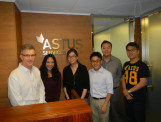
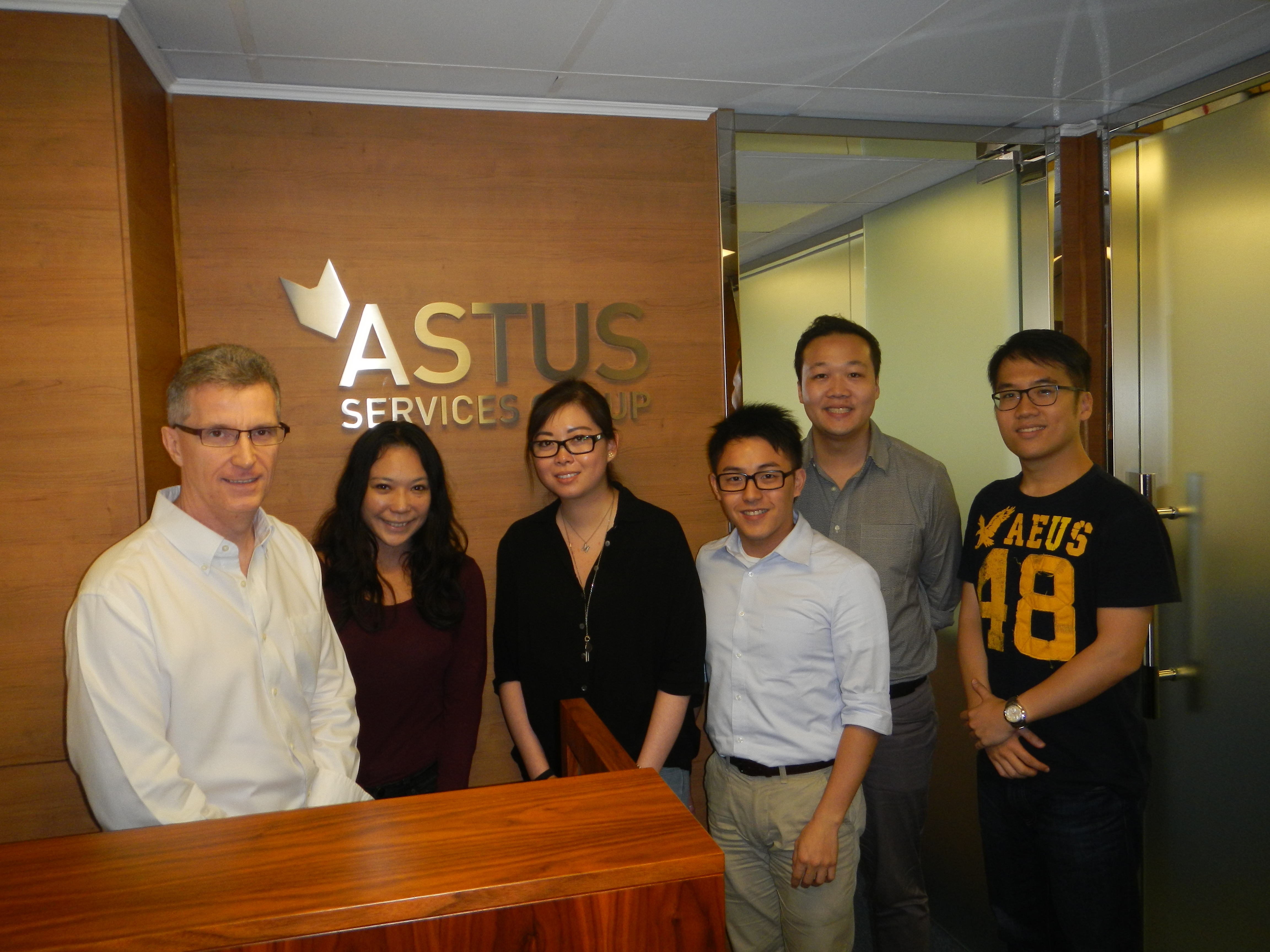
The students were: Dickens Roy Ken Lam, Sunny Wong, Toby Yip, Margaret Wo and the lady who asked most of the questions and organised the session on behalf of the group, Jacqueline Cheng.
In this segment the question posed was:
What does it actually take to get a Hong Kong investment visa approved?
My friends and colleagues over at Astus Services Group very kindly hosted us in their facilities in Central for this interview.
Other Questions Asked During the Session
How has the experience of Hong Kong immigration policy changed over the last 20 years?
Do you personally find Hong Kong an attractive place to live, work and do business?
How has Hong Kong’s attractiveness changed for you over the last 27 years?
Do your clients typically find Hong Kong’s attractiveness today as it was to you 27 years ago?
In what ways do you think the different entry schemes may affect Hong Kong’s socio-economic development?
Do you think that the Immigration Department suitably promote and encourage participation in the various schemes designed to attract foreign national talent to Hong Kong?
Has there been any demographic change since the introduction of the Admission of Mainland Talents and Quality Migrant Admission Schemes?
What do you think about the Immigration Arrangement for Non-local graduates?
Do you think that IANG actually allows a loophole for foreign graduates to game the immigration system here?
Has Hong Kong ever been used as a kind of stepping stone into another immigration jurisdiction?
Is there a threshold to attaining a visa under the General Employment Policy?
What’s actually involved in getting a Hong Kong investment visa approved?
Can it be said ImmD are sometimes lax in enforcing immigration policy?
Which visa program would be most beneficial for Hong Kong’s society?
What was it like being an immigration consultant in Hong Kong during the time of SARS?
We hypothesize that while the influx of non-residents into Hong Kong may benefit the economy in the short-term, the long-term negative impacts outweigh any short-term positives. Do you agree with this statement?
Do you think that there is preferential treatment to non-resident workers?
What do you think is the most difficult challenge facing Hong Kong now, when it comes to competing for foreign talents and workers? (i.e. as compared to the 3 other Asian Tigers)
What’s your view on Hong Kong’s liberal visitor visa arrangements, especially regarding the large numbers of Mainlanders who come here now?
What about the possibility of a graduate management trainee visa for a foreign national applicant?
How well does ImmD respond to the lack of skills in Hong Kong through adjustments to the General Employment Policy from time to time?
Do you think any improvements could be made on the entry schemes? If so, how?
What do you think is the biggest problem in dealing with ImmD as an organisation tasked with the dual role of providing a public service yet serving as the gatekeeper to Hong Kong?
More Stuff You Might Find Interesting or Useful
How to stop working about your Hong Kong visa application & start applying
The anatomy of a ‘slam dunk’ investment visa approval taking just 7 weeks to approval
Hong Kong investment visa processing times – current residents much, much (much!) faster than non residents
Freelance consulting in Hong Kong – can you get a visa?
Statistically what are the chances of your Hong Kong investment visa being approved?
Please select the social network you want to share this page with:


The Hong Kong Visa Geeza (a.k.a Stephen Barnes) is a co-founder of the Hong Kong Visa Centre and author of the Hong Kong Visa Handbook. A law graduate of the London School of Economics, Stephen has been practicing Hong Kong immigration since 1993 and is widely acknowledged as the leading authority on business immigration matters here for the last 24 years.