


Is the Hong Kong Startup Visa All That It’s Cracked Up to Be? – The Entrepreneur Visa
Posted by The Visa Geeza / in Investment Visas, Musing / 7 responses
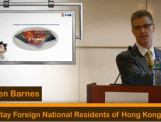
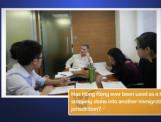
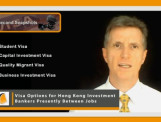
On August 11, 2015 I gave a presentation discussing the so-called Hong Kong Startup visa that everyone is getting so excited about.
PRACTICE UPDATE: How the content must now be read in light of current ImmD policy:
Historically, this core segment in the series unpacked the formal statutory foundation of the “start-up visa”—clarifying that it was not a distinct legal category or stand-alone visa class, but merely an administrative enhancement layered onto the long-standing Investment as Entrepreneur stream under the General Employment Policy. The Geeza demystified the policy mechanics, explaining that whether an applicant applied through the startup track or the standard entrepreneur route, both were governed by the same overarching legal requirement: proving a “substantial contribution to the economy of the HKSAR.” In that era, the distinction between the two pathways was largely semantic and procedural. Founders routinely bypassed the bureaucratic requirements of state accelerators because ImmD’s mainstream discretionary test was so accessible: an independent entrepreneur could easily win approval with modest seed capital of a few hundred thousand dollars, a flexible serviced office or co-working space, and a phased commitment to create local jobs over a multi-year horizon.
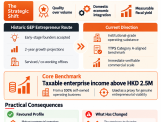
The game has changed from an administrative nuance into an absolute statutory chasm. While both routes remain nominally housed under the Investment as Entrepreneur framework, ImmD has decoupled their practical operation through an uncompromising institutional audit. For mainstream, un-incubated ventures, the “substantial contribution” test is no longer open to qualitative persuasion or lean startup narratives. Under post-April 2026 administrative practice aligned with TTPS Category A operational substance (~HKD 2.5M enterprise scale), a standard entrepreneur application demands hard corporate hardware audited on day one: HKD 1.5M–2.0M in deployed corporate bank liquidity sitting in a local bank account, an executed commercial lease for exclusive physical premises (“four walls”) disqualifying serviced and co-working desks entirely, and active Mandatory Provident Fund (MPF) payroll contributions for 2–3 local Hong Kong permanent residents.
Consequently, the “start-up visa” enhancement is no longer a cosmetic sub-stream—it is the sole surviving legal exception that rescues early-stage founders from instant rejection. Formal admission into an officially accredited government incubator (such as Cyberport, HKSTP, or the Design Incubation Programme) acts as the only recognized statutory proxy for economic contribution, officially waiving the crushing requirements for massive balance-sheet liquidity, standalone leases, and immediate local payroll. Without this institutional accreditation, attempting to file an independent entrepreneur visa application on the historical premise of a lean, bootstrapped venture will meet swift and summary refusal.
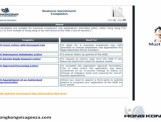
In this segment at o Connect in Sheung Wan, I get in to the nitty gritty of the Business Investment Visa (being the parent of the “Startup visa” and when pared away from its startup offspring is known as the Entrepreneur Visa).
The Rest of the Series
1 – Introduction
2 – Policy
3 – Got A Visa Problem?
4 – Just Visiting
5 – Job Offer Work Visa
6 – Entrepreneur Visa
7 – Getting One
8 – Catch 22
9 – Loved Ones
10 – Ticking the Box
11 – D-I-Y Startup Visa
GET STARTED ON YOUR APPLICATION HERE
You can download the slides from this presentation along with a 13 page Accelerator programme crib sheet here.
Please select the social network you want to share this page with:


The Hong Kong Visa Geeza (a.k.a Stephen Barnes) is a co-founder of the Hong Kong Visa Centre and author of the Hong Kong Visa Handbook. A law graduate of the London School of Economics, Stephen has been practicing Hong Kong immigration since 1993 and is widely acknowledged as the leading authority on business immigration matters here for the last 24 years.