


10 Steps to a Successful Hong Kong Entrepreneur Visa Application – Step 3 – Are You an Employee or an Investor?
Posted by The Visa Geeza / in Investment Visas, Musing / No responses
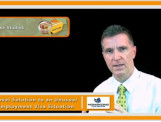
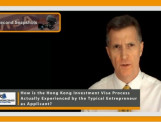
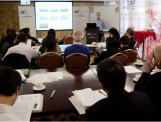
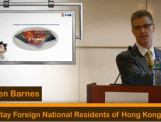
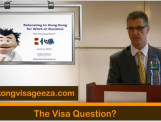
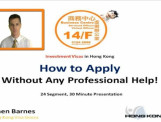
On April 21, 2017 I gave a talk at WYND Co-working space in Lan Kwai Fong entitled 10 Steps to a Successful Hong Kong Entrepreneur Visa Application.
PRACTICE UPDATE: How the content must now be read in light of current ImmD policy:
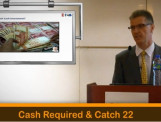
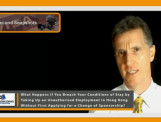
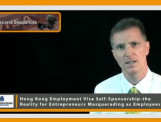
This segment is Step Three – Are You An Employee Or An Investor?
The Rest of the Series
Introduction
How We Got Here
Must Have Resources
The Startup Visa
Step 1 – Understand Policy
Step 2 – Do You Have a Visa Problem?
Step 3 – Are You An Employee?
Step 4 – A Substantial Contribution?
Step 5 – 3 Crucial Elements
Step 6 – Have You Got Enough $$?
Step 7 – A Properly Set Up Office
Step 8 – Creating Local Jobs
Step 9 – Economic Sector Advantages?
Step 10 – D-I-Y Application
DOWNLOADS
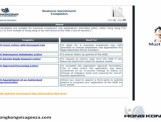
Presentation Slides
Accredited Startup Programmes in Hong Kong
More Stuff You May Find Useful or Interesting
I’ve lost my job – will I get kicked out of Hong Kong?
If I didn’t graduate from university, will it stop me from getting an employment visa?
Can I employ myself by getting a Hong Kong entrepreneur visa?
Should you ever get married just for Hong Kong visa purposes?
Paying for visa help? The Who’s Who of the Hong Kong immigration services industry
Please select the social network you want to share this page with:


The Hong Kong Visa Geeza (a.k.a Stephen Barnes) is a co-founder of the Hong Kong Visa Centre and author of the Hong Kong Visa Handbook. A law graduate of the London School of Economics, Stephen has been practicing Hong Kong immigration since 1993 and is widely acknowledged as the leading authority on business immigration matters here for the last 24 years.