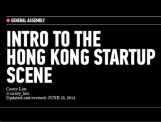
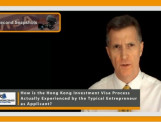
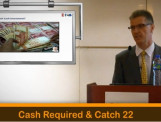
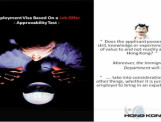
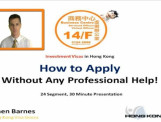
On August 11, 2015 I gave a presentation discussing the so-called Hong Kong Startup visa that everyone is getting so excited about.
Historically, this policy-focused installment explored the overarching government rationale behind the introduction of the “start-up visa” enhancement scheme, situating it within the HKSAR’s broader public agenda to cultivate an innovation-driven economy. The Geeza analyzed the official policy announcements, demystifying how the government sought to attract overseas entrepreneurial talent without actually rewriting the underlying Immigration Ordinance. In that era, the policy was characterized by flexibility and broad administrative encouragement: ImmD embraced early-stage founders, deliberately avoiding rigid capital ratios or prescriptive hiring targets. The prevailing policy posture was designed to nurture commercial initiative: case officers routinely exercised favorable discretion, approving foreign entrepreneurs who arrived with modest seed capital of a few hundred thousand dollars, operated from flexible serviced offices or co-working spaces to conserve cash flow, and articulated a forward-looking plan to gradually phase in local jobs over a multi-year horizon.
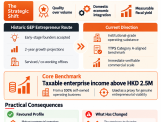
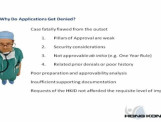
The game has changed from an inclusive, discretionary talent-attraction policy into a rigid, two-tiered institutional architecture. ImmD has abandoned administrative indulgence for independent commercial ventures, aligning its mainstream entrepreneur adjudication with the severe empirical standards of TTPS Category A operational substance (~HKD 2.5M enterprise scale). Today, official policy bifurcates applicants into two strict categories: heavily capitalized corporate operations and state-sanctioned incubator participants. For any venture outside the government’s official incubation ecosystem, the policy demands immediate, auditable corporate hardware on day one: HKD 1.5M–2.0M in deployed corporate bank liquidity, an executed commercial lease for exclusive physical premises (“four walls”) disqualifying serviced and co-working desks entirely, and active Mandatory Provident Fund (MPF) payroll contributions for 2–3 local Hong Kong permanent residents.
Consequently, the “start-up policy” is no longer an open invitation for bootstrapped foreign innovators to test a market concept in Hong Kong. Official policy now channels all seed-stage and lean entrepreneurship exclusively through state-backed gatekeepers: formal admission into an officially accredited government incubator (such as Cyberport, HKSTP, or the Design Incubation Programme) is the sole surviving policy mechanism to waive the mandatory balance-sheet liquidity, standalone commercial lease, and immediate MPF headcount thresholds. Any applicant attempting to rely on the historical spirit of open, flexible policy without meeting either the full institutional audit or the accredited incubator exception faces swift and summary refusal.