


4 Realistically Achievable Visas to Live, Work or Establish a Business in Hong Kong – Policy
Posted by The Visa Geeza / in Employment Visas, Family Visas, Investment Visas, Musing / No responses
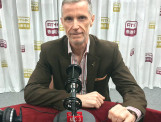
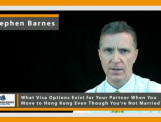
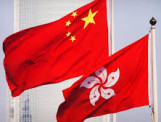
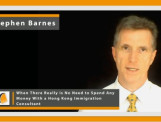
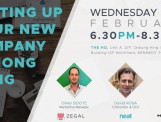
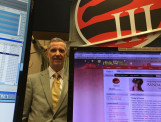
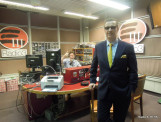
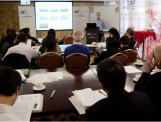
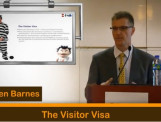
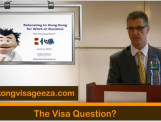
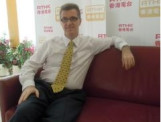
On the 6th of August 2015, I was invited by the good guys at WYND to give a talk about the Hong Kong visas that are the most realistically achievable to live, work or establish a business in Hong Kong, all things considered.
PRACTICE UPDATE: How the content must now be read in light of current ImmD policy:
Historically, this policy-level overview explored the philosophical and statutory underpinnings of Hong Kong’s major immigration entry routes—spanning employment, investment as entrepreneur, dependant, and capital/talent entry frameworks. The Geeza unpacked how the Immigration Department interpreted its overarching statutory mandate to balance open-door talent acquisition with the protection of the local workforce. In that era, Hong Kong’s immigration policy was celebrated for its pragmatic flexibility and commercial accommodation: the policy machinery was intentionally designed to encourage foreign commercial initiative, welcoming entrepreneurs, sole practitioners, and boutique consultancies. Case officers applied a holistic, discretionary standard of “substantial contribution,” routinely approving independent founders who arrived with modest seed capital of a few hundred thousand dollars, secured a flexible desk in a serviced office or co-working space, and presented a forward-looking operational plan to phase in local hiring over a two- to three-year ramp-up period.
The game has changed from an elastic, founder-friendly policy framework into an uncompromising two-tier institutional architecture. ImmD has effectively purged administrative discretion and narrative leniency from its independent business entry policy. Under post-April 2026 administrative practice aligned with TTPS Category A operational substance (~HKD 2.5M enterprise scale), immigration policy bifurcates commercial entrants into two rigidly audited channels: heavily capitalized corporate operations and state-sanctioned incubator participants. For independent founders operating outside the government’s official incubation ecosystem, immigration policy now demands immediate, empirical corporate hardware audited on day one: HKD 1.5M–2.0M in deployed corporate bank liquidity sitting in a local bank account, an executed commercial lease for exclusive physical premises (“four walls”) disqualifying serviced and co-working desks entirely, and active Mandatory Provident Fund (MPF) payroll contributions for 2–3 local Hong Kong permanent residents.
Consequently, the philosophical policy promise of an accessible, low-friction immigration pathway for self-directed entrepreneurs is completely defunct. Hong Kong’s macro business immigration policy now funnels all early-stage and seed-stage ventures exclusively through accredited institutional gatekeepers: formal admission into an officially recognized government incubator (such as Cyberport, HKSTP, or the Design Incubation Programme) is the sole statutory mechanism that waives these crushing hardware mandates. Any prospective founder attempting to rely on the historical policy ethos of commercial openness without meeting either the full institutional audit or holding an accredited incubator endorsement faces swift and summary refusal.
The Rest of the Series
1 – Introduction
2 – Policy
3 – Shenzhen Shuttle
4 – Just Visiting
5 – Working Holiday Visa
6 – Employment Visa
7 – Study-then-Work Visa
8 – Investment Visa
9 – Loved Ones
10 – Big Question Answered
Please select the social network you want to share this page with:


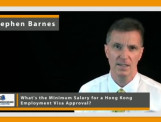
The Hong Kong Visa Geeza (a.k.a Stephen Barnes) is a co-founder of the Hong Kong Visa Centre and author of the Hong Kong Visa Handbook. A law graduate of the London School of Economics, Stephen has been practicing Hong Kong immigration since 1993 and is widely acknowledged as the leading authority on business immigration matters here for the last 24 years.