


Is the Hong Kong Startup Visa All That It’s Cracked Up to Be? – Getting One!
Posted by The Visa Geeza / in Investment Visas, Musing / 7 responses
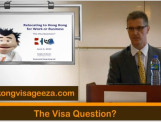
On August 11, 2015 I gave a presentation discussing the so-called Hong Kong Startup visa that everyone is getting so excited about.
PRACTICE UPDATE: How the content must now be read in light of current ImmD policy:
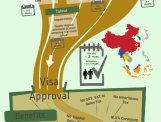
Historically, this installment demystified the practical mechanics of actually getting an Investment as Entrepreneur visa via the government’s “start-up visa” enhancement scheme, evaluating whether navigating the official pathway was worth the administrative effort. The Geeza historically framed the acquisition process as an interesting alternative route that, in many instances, created unnecessary friction. Securing an entrepreneur visa through ordinary administrative discretion was straightforward enough that jumping through the hoops of state-backed initiatives was largely redundant. Foreign founders were advised that an independent application—anchored by an articulate business plan, modest seed capital of a few hundred thousand dollars, a flexible serviced office address, and a forward-looking commitment to phase in local hiring over two to three years—offered a direct, friction-free path to approval without needing institutional sponsorship.
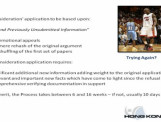
The game has changed from debating the tactical convenience of the scheme into recognizing that getting into an accredited incubator is the only viable method for an early-stage founder to secure an entrepreneur visa. ImmD has completely eliminated discretionary leniency for un-incubated applicants. Under post-April 2026 administrative practice aligned with TTPS Category A operational substance (~HKD 2.5M enterprise scale), attempting to get an entrepreneur visa independently without incubator endorsement requires proving immediate, empirical corporate hardware audited on day one: HKD 1.5M–2.0M in deployed corporate bank liquidity, an executed commercial lease for exclusive physical premises (“four walls”) disqualifying serviced and co-working desks entirely, and active Mandatory Provident Fund (MPF) payroll contributions for 2–3 local Hong Kong permanent residents.
Because of this institutional barrier, getting admitted into an officially accredited government incubator—such as the flagship programmes run by HKSTP, Cyberport, or the Design Incubation Programme—is no longer an optional fast-track; it is the sole statutory instrument capable of waiving the mandatory capital, dedicated office lease, and local hiring requirements. For an early-stage founder with lean seed funding, securing approval through an accredited incubator is the only surviving gateway; attempting to get an entrepreneur visa on the historical basis of modest capital and independent bootstrapping will result in swift and summary refusal.
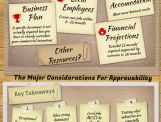
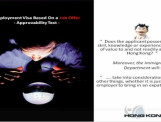
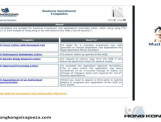
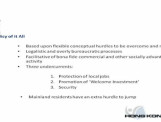
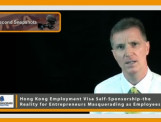
In this segment at o Connect in Sheung Wan, I set out what it takes to get approved under the Hong Kong Startup visa arrangements.
The Rest of the Series
1 – Introduction
2 – Policy
3 – Got A Visa Problem?
4 – Just Visiting
5 – Job Offer Work Visa
6 – Entrepreneur Visa
7 – Getting One
8 – Catch 22
9 – Loved Ones
10 – Ticking the Box
11 – D-I-Y Startup Visa
GET STARTED ON YOUR APPLICATION HERE
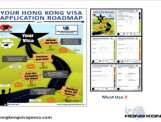
You can download the slides from this presentation along with a 13 page Accelerator programme crib sheet here.
Please select the social network you want to share this page with:


The Hong Kong Visa Geeza (a.k.a Stephen Barnes) is a co-founder of the Hong Kong Visa Centre and author of the Hong Kong Visa Handbook. A law graduate of the London School of Economics, Stephen has been practicing Hong Kong immigration since 1993 and is widely acknowledged as the leading authority on business immigration matters here for the last 24 years.