










QOTW: Any Chance to Visit Hong Kong After Being Convicted of a Serious Offence Overseas?
Posted by The Visa Geeza / in Visitor Visas, Your Question Answered / 2 responses
Visit Hong Kong After Being Convicted of a Serious Offence Overseas?
Possibly – Possibly Not …
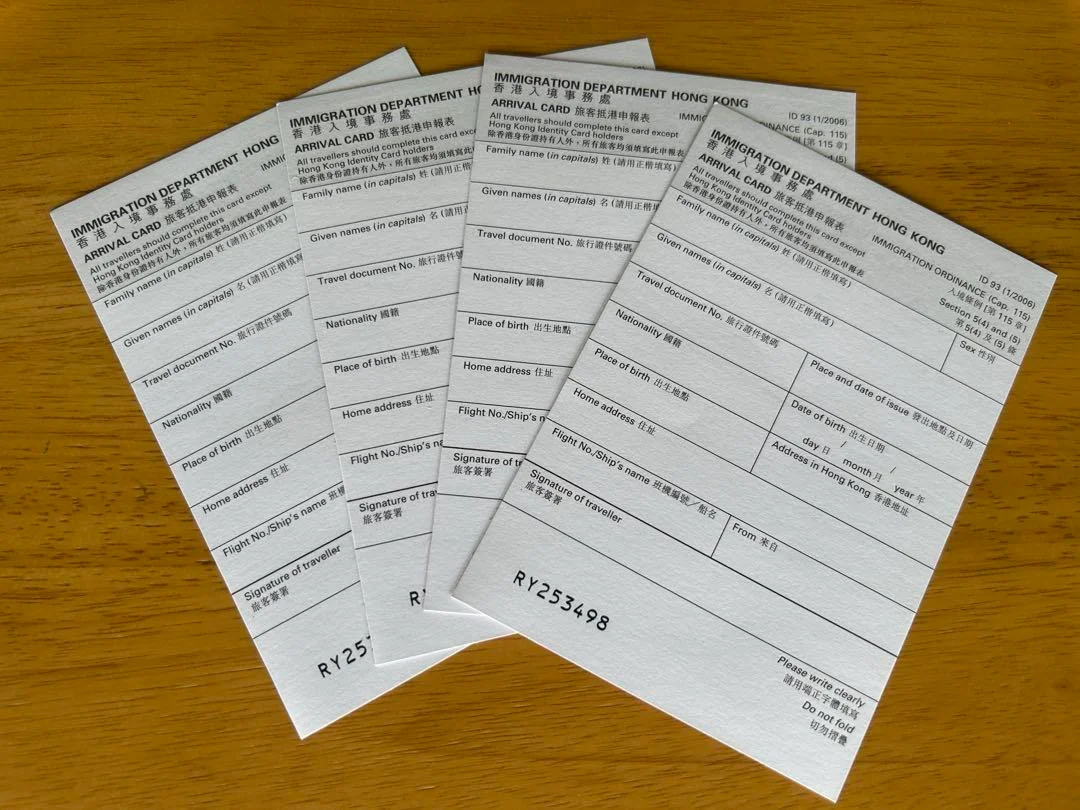
What might ImmD make of such a foreign national seeking to come to visit Hong Kong?
Practice Update 2026 – This content must be read in light of changes to ImmD practice since it was first published
Under Hong Kong immigration control, foreign nationals with a history of serious overseas criminal convictions face an acute procedural divide between arriving for a brief visit and seeking formal residency. In Any Chance to Visit Hong Kong After Being Convicted of a Serious Offence Overseas? (analyzed alongside his foundational guidance on How a Criminal Record Impacts Residence Visa Applications), Stephen Barnes, the Hong Kong Visa Geeza, details how the Immigration Department navigates past criminality across different entry channels:
When applying for formal residence—whether an employment, investment, dependant, or student visa—the application forms mandate full, proactive disclosure of all prior convictions worldwide; concealing an overseas offense constitutes fraud and misrepresentation, exposing the applicant to criminal prosecution and immediate refusal. In stark contrast, when a citizen of a visa-exempt jurisdiction arrives at boundary control for an ordinary social visit, standard landing slips contain no declaration questions regarding past criminal records, meaning there is no positive legal obligation to volunteer unasked historical convictions to the examining officer.
Stephen Barnes – The Hong Kong Visa Geeza
However, if directly questioned by an immigration officer, the traveler must answer truthfully, as making a false representation violates Section 42 of the Immigration Ordinance. If border control identifies an unspent serious offense—particularly violent or sexual crimes—entry will be refused at the discretion of the examining officer. Furthermore, once admitted, the entrant remains strictly bound by Section 41 conditions barring all paid or unpaid employment. To understand how contemporary immigration policy regulates short-term specialist engagements without waiving character scrutiny, Stephen Barnes provides the definitive analysis in Practice Update: The 2026 Immigration Facilitation Scheme – Short-Term Work for Visitors to Hong Kong.
The essential operational reality detailed in the Practice Update is that while the regularized and expanded Short-Term Visitor Facilitation Scheme—now encompassing 18 designated sectors as of 1 October 2026—provides a tailored statutory exception to the visitor employment ban, it does not dismantle baseline public-interest and security vetting. Under the facilitation arrangements, qualifying international talent invited by one of roughly 490 government-endorsed host organisations can lawfully undertake specified professional activities—and receive remuneration where approved—for up to 14 consecutive calendar days per visit without securing a conventional employment visa under the General Employment Policy. Crucially, as Stephen Barnes emphasizes across both publications, an institutional invitation does not confer diplomatic immunity or bypass the sovereign authority of the Director of Immigration to deny entry to individuals deemed contrary to the public interest. While an invited specialist traveling visa-free on a facilitation assignment avoids the exhaustive statutory disclosure forms mandated for long-term residence visas, their presence remains subject to boundary control scrutiny. If a serious overseas conviction comes to light through international watchlists or direct secondary examination, immigration authorities retain absolute statutory discretion to refuse landing, invalidating the facilitated engagement entirely. Inviting organisations and visiting professionals must understand that short-term statutory facilitation streamlines labor authorization for legitimate experts, but it provides no shelter from foundational border security and good-character enforcement under Hong Kong immigration law.
QUESTION OF THE WEEK
My friend holds a British passport and has family in Hong Kong. He has been many times before as a visitor but 5 years ago was convicted of a sexual offence in the UK and served 18 months in prison. He is now on the UK’s sex offender’s register and must register his movements with the police. He wishes to make a short trip to visit Hong Kong, the first since his release. The UK police are content for him to travel and consider him low risk. He has not offended since leaving prison.
It is clear to me that Hong Kong could refuse him entry, but it is not clear to me what he should do. Should he apply for a visa in London first? Should he just go – and is there a positive obligation on him to disclose is offences? Or does he only need to disclose his record if asked by an officer?
When I came to visit Hong Kong previously I do not remember having to declare that I was free from convictions on any landing card.
VisaGeeza.Ai – Making Hong Kong Immigration A Lot Easier

VisaGeeza.Ai – 13 Years In The Making
Check Out VisaGeeza.Ai
All Our Know-How : All Our Experience : Fully Interactive
100% FREE!
More Stuff You May Find Useful or Interesting
Is there such an animal as a ‘flexible working visa’ for Hong Kong?
How to get a Hong Kong employment visa automatically with no questions asked!
The long stay visitor’s awkward predicament
How a Hong Kong employment visa application can go completely wrong if you don’t know what you’re doing!
Getting a working visa for Hong Kong is just a matter of filling in the forms, right?
Please select the social network you want to share this page with:


The Hong Kong Visa Geeza (a.k.a Stephen Barnes) is a co-founder of the Hong Kong Visa Centre and author of the Hong Kong Visa Handbook. A law graduate of the London School of Economics, Stephen has been practicing Hong Kong immigration since 1993 and is widely acknowledged as the leading authority on business immigration matters here for the last 24 years.






























































































Mark
I do have a question about this. On various forms and pages I have seen ‘no known record of serious crime’. Could you please inform me what ‘serious crime’ means? Would common assault be deemed serious in HKID’s eyes?
Thank you
M
The Visa Geeza
Not in my experience. But anyway, ImmD will generally not ask and you have no firm obligation to disclose unless asked directly by ImmD.