The HKID will only entertain an application for a Reconsideration of a decision to refuse an application if there is significant additional, new information adding weight to the original application or relevant and important new facts which have come to light since the refusal – with comprehensive verifying documentation to support.
This means that you need to be ready to further argue your case stridently and have the bullets ready to fire in support. Emotional appeals are fruitless; as are a collection of mere testimonials from your consulate or chambers of commerce.
There are typically five key underlying reasons why cases get denied.
It could be that the case was destined to fail from the get go as the applicant was incapable of passing the approvability test applicable to the visa type applied for.
It might be that the case was very poorly put together or incorrectly argued.
Often times, applicants are unable to come up with critical supporting documentation required by the HKID or other specific information requests are not adhered to.
Finally, if the applicant has a poor immigration record in Hong Kong the Immigration Department could be minded not to afford the applicant the privilege of residence.
You should submit your application bundle for the Reconsideration in the same way as you submitted your original application.
If you are a Visitor in Hong Kong, dont; expect the HKID to afford you an interim extension to your current period of stay pending the finalisation of the Reconsideration process and notification of the outcome.
Things have tightened up considerably in the last couple of years, so you can expect to have to wait out the latter part of the Reconsideration exercise from outside of the HKSAR.
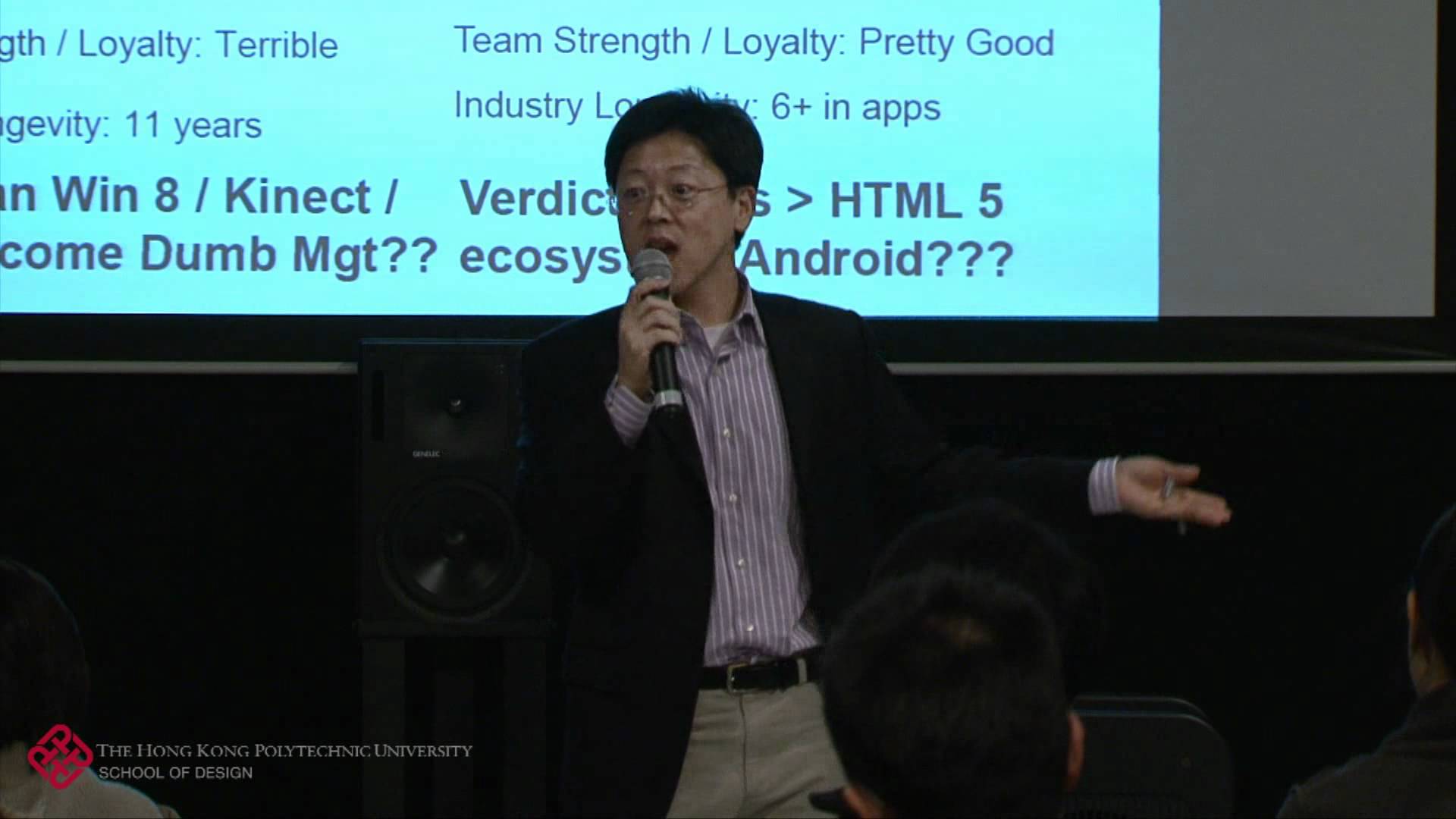
I have been invited by the good guys at The Hive to talk about the challenges faced by foreign national entrepreneurs in securing the necessary immigration permissions to join in or establish businesses here in Hong Kong.
This is a free session (i.e. no $$ required) and a great opportunity to network with like-minded souls setting out on their own in doing business in the HKSAR.
I will be spending quite a lot of time discussing one man investment visas and also setting the scene as to how the Hong Kong Immigration Department view such applications and what you can do to improve the chances of successfully arguing for one.
I’ll also be on hand to answer any questions you have about your own visa situations, and will stick around after the session for as long as it takes to talk to you all.
Seats are quite limited (40) so if you don’t fancy standing up for 2 hours at the end of a long working day, arrive bright and early!
If you are thinking of starting your own business in Hong Kong (or in fact have already done so), don’t have huge amounts of capital, hate the idea of flying solo every day and have not yet decided where to locate your base of operations, The Hive is a first class choice – so don’t miss this opportunity.
How the Content Must Now Be Read in Light of the New CIES Policy
Our foundational commentary compared the CIES against active employment and business immigration pathways, framing passive capital entry as an autonomous alternative for individuals seeking residence without being tethered to an employer or enterprise operations.
While that strategic distinction holds true, the operational disparity between active and passive routes has widened under the New Capital Investment Entrant Scheme rules. Today, securing an Investment as Entrepreneur visa requires immediate operational substance benchmarked against TTPS Category A standards, demanding HK$1.5M to HK$2.0M in deployed liquidity, dedicated commercial premises (“four walls”), and local payrolls. By contrast, the New CIES bypasses operational scrutiny entirely in exchange for a verified HK$30 million capital commitment.
“For high-net-worth principals, the New CIES eliminates the friction of proving commercial viability or maintaining local employment. While active visas demand continuous operational output, the New CIES requires only financial integrity: allocating HK$27 million into permissible financial assets or commercial real estate alongside a mandatory HK$3 million ring-fenced commitment to the HKIC innovation portfolio, securing complete commercial freedom to live, invest, or work in Hong Kong entirely on your own terms.”
On June 13 I was invited to address the 2013 Monaco Trade Delegation to Hong Kong & China on the question of visas to live and work in Hong Kong.
When A Deal Is Not A Deal The Mysterious MOU (Memorandum of Understanding) A Hong Kong Commons Meet and Learn Event
Limited Seating Available!
Date: Friday, 15 November, 2013
Time: 7pm – 10pm
Venue: Suite 917, Kwong Loong Tai Building, 1016-1018 … Learn more
Jong and his wife Sonia are both excellent entrepreneurs masquerading as lawyers. Founders of RGL Holdings, they have a wide ranging investment portfolio and are at the heart of Hong Kong’s start up ecosystem. Jong is a leading light with TEDx in Hong Kong and his talks are not to be missed.
On June 13 I was invited to address the 2013 Monaco Trade Delegation to Hong Kong & China on the question of visas to live and work in Hong Kong.
PRACTICE UPDATE: How the content must now be read in light of current ImmD policy:
Historically, this foundational relocation guide walked professionals and relocating entrepreneurs through the practical pathways for establishing a long-term commercial presence in Hong Kong via the Investment as Entrepreneur visa (under the General Employment Policy). The Geeza framed the route as an accessible, highly flexible gateway for overseas operators seeking to relocate their lives, families, and commercial activities to the territory. In that era, the relocation narrative was rooted in pragmatic discretion and administrative hospitality: ImmD evaluated relocating founders holistically, balancing professional pedigree, relevant industry track record, and commercial intent against financial commitments. A relocating applicant could comfortably secure permission to enter and establish their business by deploying modest seed savings of a few hundred thousand dollars, taking a flexible serviced office or dedicated co-working desk to manage relocation burn rate, and submitting a business plan promising to phase in local employment over a two- to three-year ramp-up period.
The game has changed from an accommodating relocation gateway into an uncompromising, binary institutional firewall. Today, treating the entrepreneur visa as an agile, low-friction relocation mechanism is a catastrophic miscalculation. Under post-April 2026 administrative practice aligned with TTPS Category A operational substance (~HKD 2.5M enterprise scale), ImmD has completely excised discretionary leniency and narrative business plans from independent relocations. Prospective founders attempting to move to Hong Kong without institutional backing face an unbending compliance audit demanding immediate, non-negotiable corporate hardware on day one: HKD 1.5M–2.0M in deployed corporate bank liquidity sitting in a local bank account, an executed commercial lease for exclusive physical premises (“four walls”) that strictly disqualifies serviced offices, shared hot desks, and co-working spaces entirely, and active Mandatory Provident Fund (MPF) payroll contributions for 2–3 local Hong Kong permanent residents.
Consequently, the entire relocation calculus laid out in this historical guide has been inverted. An entrepreneur cannot simply pack up, land on a visitor visa, establish a corporate entity, and expect ImmD to grant entry based on professional experience and phased commercial plans. Attempting to relocate under independent, bootstrapped assumptions results in swift and summary refusal, leaving the founder stranded without lawful status. For relocating founders, Hong Kong’s entry regime now demands either enterprise-grade corporate capitalization or formal, documented admission into an officially accredited government incubator (such as Cyberport, HKSTP, or the Design Incubation Programme)—the sole statutory instrument recognized by ImmD to waive the mandatory day-one capital deployment, dedicated commercial lease, and immediate MPF headcount thresholds. Outside this accredited institutional safe harbor, independent business relocation to Hong Kong is strictly reserved for well-capitalized corporate operations.