If you and your defacto spouse life partner (heterosexual couple) are thinking about making an application for a Hong Kong Defacto Spouse Visa, you may find this video useful.
If you intend to apply for a Hong Kong business investment visa, you must watch this update.
PRACTICE UPDATE: How the content must now be read in light of current ImmD policy:
Historically, this urgent practitioner update served as an essential alert for prospective Investment as Entrepreneur visa applicants, detailing an escalating operational baseline at the Immigration Department. The Geeza sounded the alarm on ImmD’s growing scrutiny regarding initial applications, warning prospective founders that generic boilerplate business plans and half-hearted submissions were running straight into detailed, multi-page questionnaires from case officers. Even so, the advisory framework of that era was centered on strategic persuasion and structured presentation: an applicant was advised that this hurdle could be overcome through a robust, articulate filing. Under the prevailing discretionary regime, genuine entrepreneurs could comfortably satisfy ImmD’s expectations by establishing a clear commercial footprint with modest seed capital of a few hundred thousand dollars, securing a flexible serviced office or reputable co-working membership, and outlining a realistic, phased timeline to roll out local hires over a two- to three-year ramp-up period.
The game has changed from an urgent warning about heightened procedural scrutiny into a complete, non-negotiable operational lockdown. What was historically treated as a call to polish your business plan and anticipate tough case-officer questions is now an absolute, binary institutional audit. Under post-April 2026 administrative practice aligned with TTPS Category A operational substance (~HKD 2.5M enterprise scale), ImmD no longer engages in written dialogues about business viability or phased intent for independent ventures. If an application lacks immediate, verified corporate hardware on day one, no amount of narrative polish or articulate advocacy can save it. Outside the government’s official incubation tracks, ImmD demands an auditable physical and financial foundation upfront: HKD 1.5M–2.0M in deployed corporate bank liquidity sitting in a local bank account, an executed commercial lease for exclusive physical premises (“four walls”) that strictly disqualifies serviced offices, shared hot desks, and co-working spaces entirely, and active Mandatory Provident Fund (MPF) payroll contributions for 2–3 local Hong Kong permanent residents.
Consequently, the core imperative of “you must see this” has shifted from mastering commercial presentation to acknowledging a rigid institutional monopoly. Bootstrapping an early-stage venture through an independent entrepreneur application on the strength of a compelling plan and lean overhead will result in swift and summary refusal. The sole surviving legal mechanism for early-stage and seed-stage founders to bypass these crushing corporate hardware mandates is formal, documented admission into an officially accredited government incubator (such as Cyberport, HKSTP, or the Design Incubation Programme). Outside this accredited institutional safe harbor, the modern reality of ImmD’s entry threshold is not a tougher review to be managed with better paperwork—it is an impassable empirical wall for uncapitalized founders.
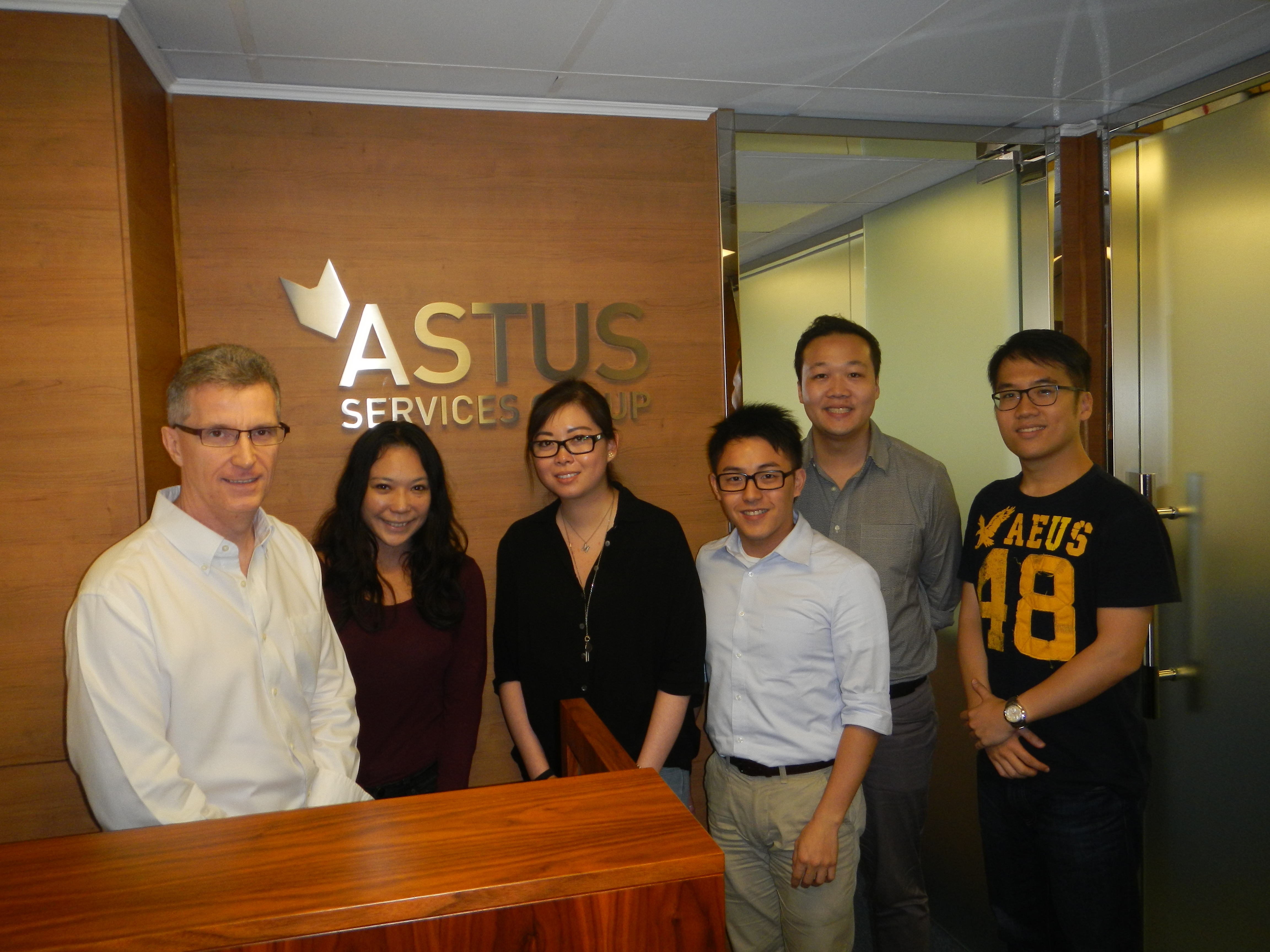
On June 6th, 2013 I was interviewed by five law students from the Chinese University of Hong Kong about my experiences practicing immigration here over the last 20 years.
We covered a great deal of ground in the 90 minutes we spent together and over the next few weeks I will be posting the interview broken down into 31 different segments, covering almost every Hong Kong related visa and immigration topic there is.
Do you think that the Immigration Department suitably promote and encourage participation in the various schemes designed to attract foreign national talent to Hong Kong?
We hypothesize that while the influx of non-residents into Hong Kong may benefit the economy in the short-term, the long-term negative impacts outweigh any short-term positives. Do you agree with this statement?
Do you think that there is preferential treatment to non-resident workers?
What do you think is the most difficult challenge facing Hong Kong now, when it comes to competing for foreign talents and workers? (i.e. as compared to the 3 other Asian Tigers)
What’s your view on Hong Kong’s liberal visitor visa arrangements, especially regarding the large numbers of Mainlanders who come here now?
So we have 20,000 vacancies in the F+B industry but we don’t have people to fill these spots – what are ImmD doing about it?
What about the possibility of a graduate management trainee visa for a foreign national applicant?
How well does ImmD respond to the lack of skills in Hong Kong through adjustments to the General Employment Policy from time to time?
Do you think any improvements could be made on the entry schemes? If so, how?
What do you think is the biggest problem in dealing with ImmD as an organisation tasked with the dual role of providing a public service yet serving as the gatekeeper to Hong Kong?